


MAIN INFO
Course name: ORGAN-ON-A-CHIP WORKSHOP 2027
Course code: P-ITLAB-0062
Credit value: 3 ECTS
Application period: 15 November 2026 - 15 January 2027
Online phase: 18 May - 21 May 2027
Project week: 24 May - 28 May 2027
Venue of the Project week: Práter utca 50/A, Budapest, 1083, Hungary
Required level of English: minimum B2
Target Group: This course is designed for BSc students, but is also open to MSc and PhD students.
Background requirements: Biomedical Engineering, Physics Engineering, Chemical and Food Engineering, Electronic Engineering, Environmental and Land Engineering, Materials Engineering, or related fields.
ADDITIONAL INFORMATION
Steps for participation:
- Contact your home university's International Office to inquire about the application period and selection criteria for this BIP.
- Apply for an Erasmus+ grant at your home university.
Financial Information:
- BIP Workshop participation is free of charge.
- Travel, accommodation, and meal expenses are to be covered by the participant's own Erasmus+ grant.
Accommodation:
- Budapest has plenty of great budget-friendly hostels. As an accepted participant, you don't have to worry about finding affordable lodging: once your course application is approved, we will send you a 10% promo code valid for bookings on the Flow Hostel Budapest website. Link to booking on Flow Hostel
Recommendation:
- During the afternoon sessions of the BIP workshop, we invite participants to discover the vibrant charm, rich history, and scenic beauty of Budapest during their free time. For a curated list of top attractions and activities to explore around the city, please click on Recommendation list .
ORGAN-ON-A-CHIP: BRIDGING BIOLOGY AND MICROFLUIDICS
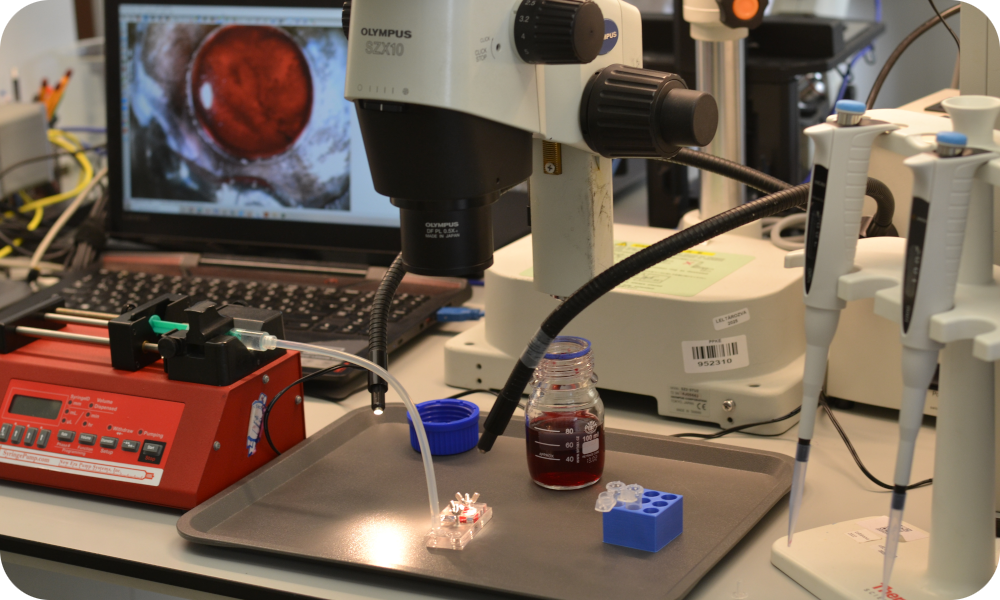
This Erasmus+ Blended Intensive Program offers an immersive, hands-on journey into the cutting-edge field of Organ-on-a-Chip (OoC) technology. Participants will navigate the entire development cycle, from the theoretical conceptualization of human-relevant physiological models to the creation of fully functional, cell-ready microfluidic prototypes. The curriculum is designed to bridge the gap between engineering and life sciences, equipping students with high-level practical skills.
TENTATIVE SCHEDULE
ONLINE PHASE
Tuesday, May 18 (14:00–16:00) | 🖥️ONLINE MS Teams:
Join our introductory online session to explore the course roadmap—from microfluidic fundamentals to advanced diagnostic devices. Meet your instructors, discover where to access all course materials and assignment portals, and connect with your fellow classmates as everyone introduces themselves.
PROJECT WEEK
Monday, May 24 (09:00-15:00) | Introduction & CAD Design:
We will start with registration, a brief welcome, and a project work consultation to set your goals for the course. Afterward, you will get hands-on experience with CAD software specifically tailored for microfluidic device design.
Tuesday, May 25 (09:00-15:00) | Computational Fluid Dynamics (CFD) simulations:
Step into the world of Computational Fluid Dynamics (CFD)! In this practical session, you will learn to set up and run flow simulations tailored to your microfluidic cartridges. With step-by-step guidance, you will analyze real-time fluid behavior, pressure drops, and flow rates to validate and refine your custom designs.
Wednesday, May 26 (09:00-15:00) | OoC Assembly, Experimental Integration, and Release Validation
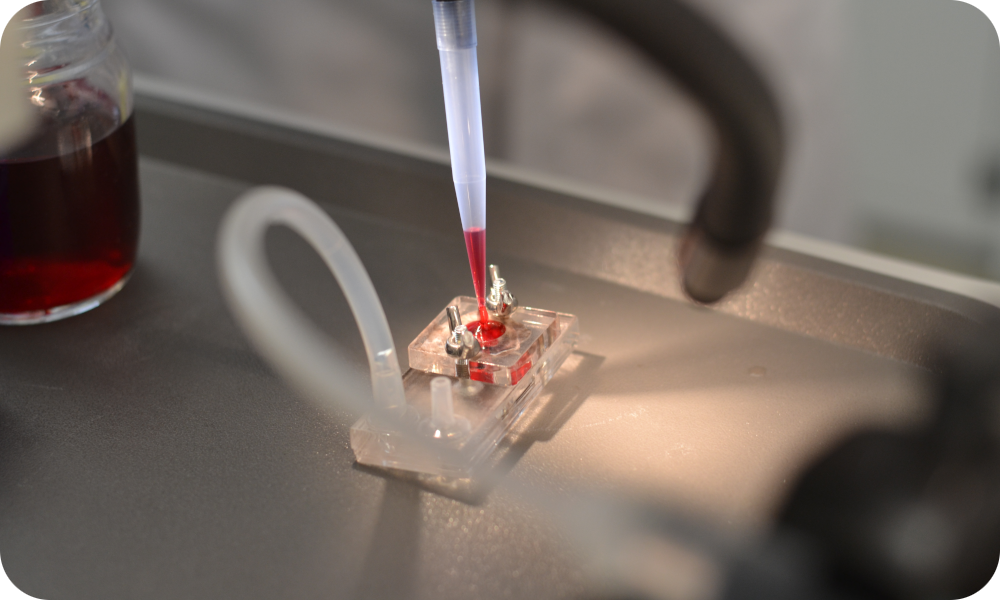
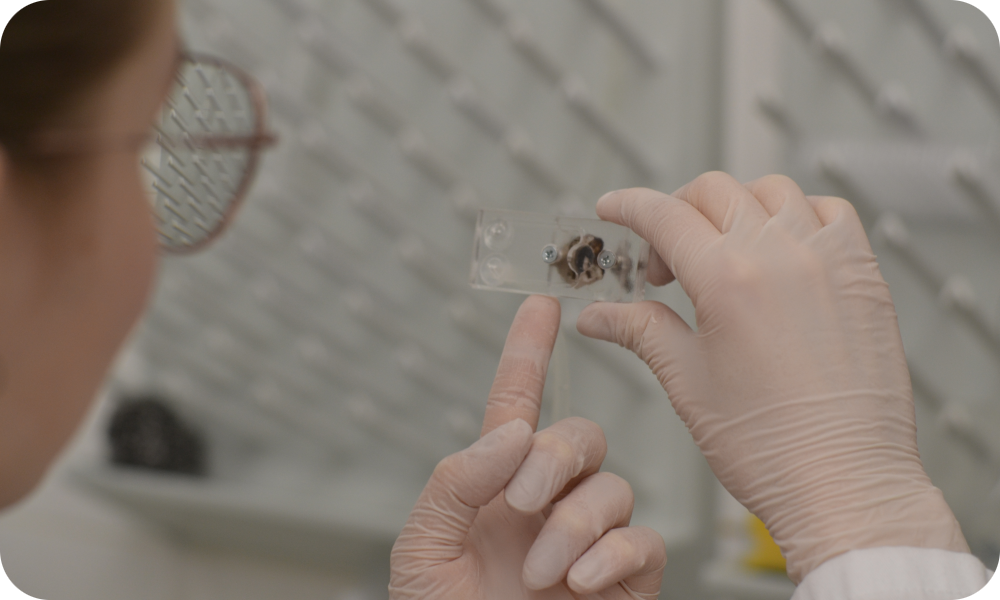
Move from theory to practice by gaining hands-on experience in the assembly and operational handling of Organ-on-a-Chip devices! This session focuses on the practical integration of a model membrane (e.g., cellulose acetate) into the microfluidic architecture to simulate biological barriers. Perform your first drug release study, validate the system's performance by collecting samples and quantifying transport kinetics using spectrophotometry.
Thursday, May 27 (09:00-15:00) | Tissue Integration and Barrier Functionality
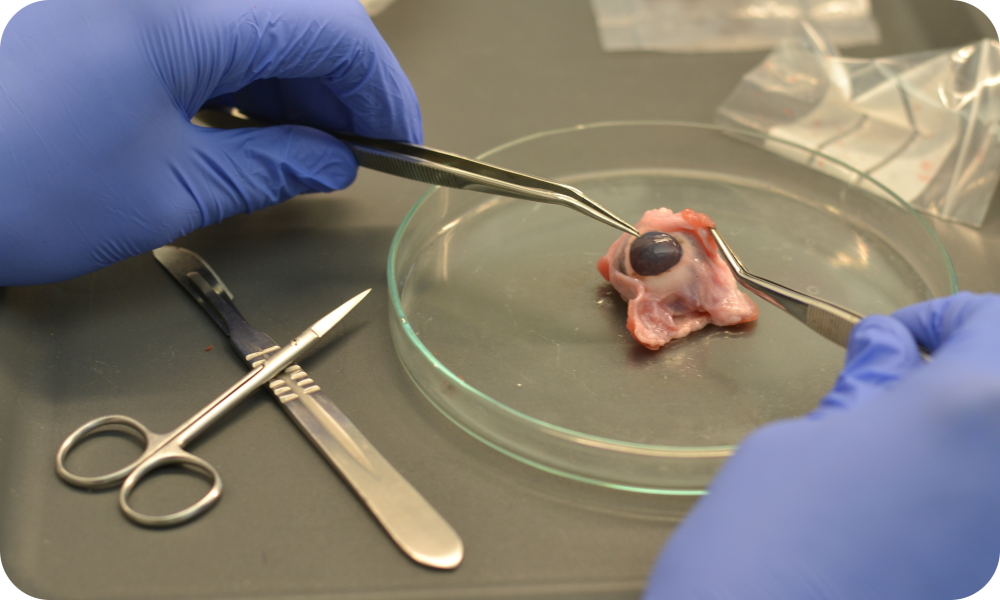
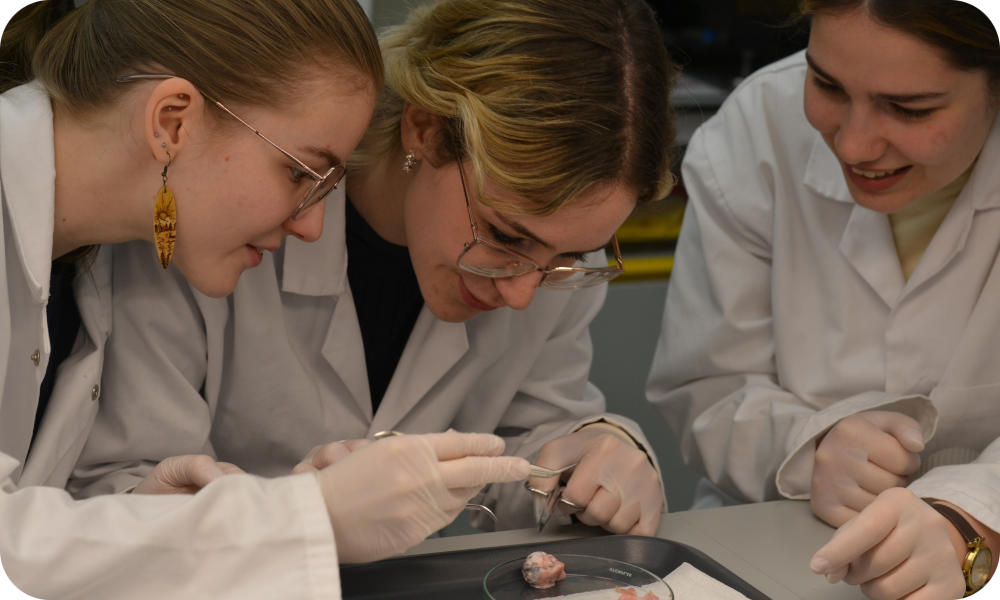
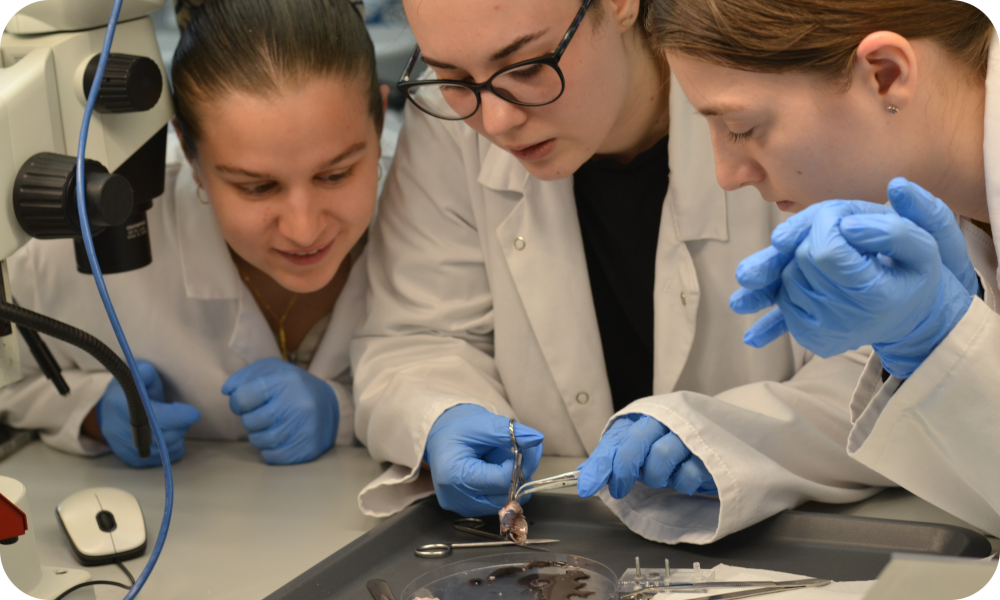
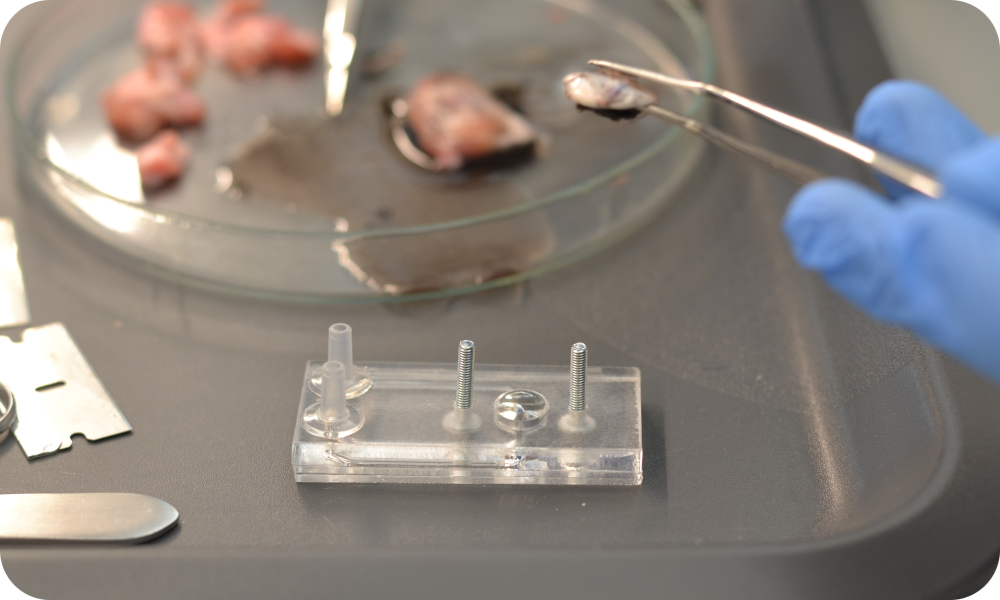
Gain hands-on experience in integrating ex vivo tissue samples into microfluidic platforms. This session covers specialized sample preparation techniques required to maintain tissue viability and integrity within a chip environment. Do advanced diffusion tests to monitor the permeation of active compounds across these biological barriers.
Friday, May 28 (09:00-15:00) | Presentations & feedback:
Celebrate your progress and showcase your hard work! In this final session, you will present your completed microfluidic project and demonstrate your device in action. Receive valuable feedback from instructors and peers, discuss next steps, and wrap up the course with a comprehensive summary of your achievements.